Your vehicle’s shocks and struts help keep your ride smooth, your tires in good condition, and your car stable during turns and stops. Knowing when you need shocks and struts replacement helps you avoid costly repairs and maintain safe handling. Worn parts can affect braking, steering, and overall control, often becoming noticeable long before a complete failure.
Phil's Service helps drivers identify warning signs early so that shocks and struts can be replaced before they cause bigger problems. Recognizing these indicators helps your your vehicle stay stable and predictable on the road and keeps your vehicle performing safely for daily driving and longer trips.
Bumpy or Unstable Ride
One of the first signs that shocks and struts may need replacement is a noticeably rough or bouncy ride. If your car feels unstable over bumps, potholes, or uneven pavement, it often means the suspension components are no longer absorbing impacts properly. Worn shocks and struts allow the car to continue moving after hitting a bump instead of stabilizing quickly.
You may notice the vehicle bouncing several times or rocking from side to side on rough surfaces. This can make longer drives tiring because the car does not feel steady. Replacing worn components improves comfort and keeps the vehicle more controlled, especially during sudden stops or while turning. Smooth suspension also helps your tires maintain better contact with the road for safer handling in everyday driving. Phil's Service provides reliable auto repair for all vehicle makes & models, helping you keep your car running smoothly and safely on every drive.
Uneven Tire Wear
Shocks and struts help keep your tires in contact with the road and support even weight distribution across the tread. When these components begin to fail, tires may wear unevenly or develop unusual patterns. You may notice scalloping, cupping, or faster wear on certain areas of the tires. Uneven wear reduces traction and can shorten tire life. Paying attention to your tires is one of the easiest ways to spot early suspension problems.
Addressing issues with shocks and struts replacement prevents further damage to tires and helps the vehicle handle consistently. Regular inspections can catch uneven wear before it becomes more serious, saving you money and keeping your car safer on wet or rough roads.
Leaking Fluid or Visible Damage
Leaking fluid or visible damage on shocks and struts is another sign that replacement may be needed. These components use hydraulic fluid to control movement and absorb road impacts. If you see wetness, stains, or oil on the outside, the part may no longer work properly. Physical damage such as dents, corrosion, or bent components also indicates that the suspension cannot perform as designed.
Driving with leaking or damaged shocks and struts can reduce vehicle stability, especially when braking or turning. A professional inspection allows worn parts to be replaced promptly, restoring smooth handling and helping your vehicle maintain safe control under normal driving conditions.
Nose Diving or Squatting
Another sign that your shocks and struts may need replacement is noticeable nose diving when you brake or squatting at the rear when you accelerate. Nose diving occurs when the front of the car dips sharply during braking, which can make the vehicle feel less stable and increase stopping distance. Squatting happens when the rear of the car drops while accelerating, causing uneven weight distribution and a shift in handling.
Both of these issues occur because worn shocks and struts are no longer able to control the motion of the vehicle’s body effectively. This can make driving less predictable, especially during emergency stops or sudden acceleration.
Excessive Body Roll
Excessive body roll is another indication that shocks and struts may be wearing out. You may notice the car leaning more than usual when turning corners or changing lanes. This can make handling feel unpredictable and less secure, particularly during higher-speed driving or on winding roads. Excessive rolling is caused by worn suspension components that no longer stabilize the vehicle effectively.
Increased Braking Distance
A worn suspension can affect more than comfort and handling; it can also increase braking distance. Shocks and struts help keep the vehicle stable during stops, preventing the car from dipping forward or bouncing after the brakes are applied.
This is particularly noticeable when stopping quickly from higher speeds or on uneven surfaces. Increased braking distance is a safety concern because it reduces your ability to avoid obstacles or other vehicles in time.
Phil's Service provides shocks and struts replacement along with a complete range of suspension and maintenance services to help your vehicle perform reliably and safely. Our team uses high-quality parts and professional expertise to keep your car handling smoothly and protect your investment over the long term.
CAR CARE TIPS BLOG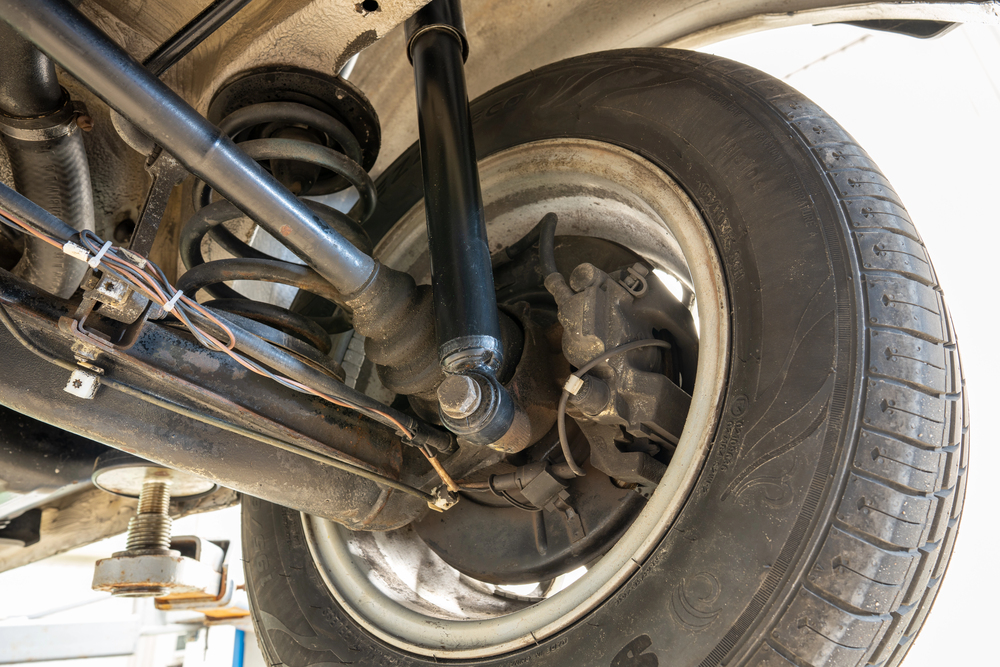
Your vehicle’s shocks and struts help keep your ride smooth, your tires in good condition, and your car stable during turns and stops. Knowing when you need shocks and struts replacement helps you avoid costly repairs and maintain safe handling. Worn parts can affect braking, steering, and overall control, often becoming noticeable long before a complete failure.
Phil's Service helps drivers identify warning signs early so that shocks and struts can be replaced before they cause bigger problems. Recognizing these indicators helps your your vehicle stay stable and predictable on the road and keeps your vehicle performing safely for daily driving and longer trips.
Bumpy or Unstable Ride
One of the first signs that shocks and struts may need replacement is a noticeably rough or bouncy ride. If your car feels unstable over bumps, potholes, or uneven pavement, it often means the suspension components are no longer absorbing impacts properly. Worn shocks and struts allow the car to continue moving after hitting a bump instead of stabilizing quickly.
You may notice the vehicle bouncing several times or rocking from side to side on rough surfaces. This can make longer drives tiring because the car does not feel steady. Replacing worn components improves comfort and keeps the vehicle more controlled, especially during sudden stops or while turning. Smooth suspension also helps your tires maintain better contact with the road for safer handling in everyday driving. Phil's Service provides reliable auto repair for all vehicle makes & models, helping you keep your car running smoothly and safely on every drive.
Uneven Tire Wear
Shocks and struts help keep your tires in contact with the road and support even weight distribution across the tread. When these components begin to fail, tires may wear unevenly or develop unusual patterns. You may notice scalloping, cupping, or faster wear on certain areas of the tires. Uneven wear reduces traction and can shorten tire life. Paying attention to your tires is one of the easiest ways to spot early suspension problems.
Addressing issues with shocks and struts replacement prevents further damage to tires and helps the vehicle handle consistently. Regular inspections can catch uneven wear before it becomes more serious, saving you money and keeping your car safer on wet or rough roads.
Leaking Fluid or Visible Damage
Leaking fluid or visible damage on shocks and struts is another sign that replacement may be needed. These components use hydraulic fluid to control movement and absorb road impacts. If you see wetness, stains, or oil on the outside, the part may no longer work properly. Physical damage such as dents, corrosion, or bent components also indicates that the suspension cannot perform as designed.
Driving with leaking or damaged shocks and struts can reduce vehicle stability, especially when braking or turning. A professional inspection allows worn parts to be replaced promptly, restoring smooth handling and helping your vehicle maintain safe control under normal driving conditions.
Nose Diving or Squatting
Another sign that your shocks and struts may need replacement is noticeable nose diving when you brake or squatting at the rear when you accelerate. Nose diving occurs when the front of the car dips sharply during braking, which can make the vehicle feel less stable and increase stopping distance. Squatting happens when the rear of the car drops while accelerating, causing uneven weight distribution and a shift in handling.
Both of these issues occur because worn shocks and struts are no longer able to control the motion of the vehicle’s body effectively. This can make driving less predictable, especially during emergency stops or sudden acceleration.
Excessive Body Roll
Excessive body roll is another indication that shocks and struts may be wearing out. You may notice the car leaning more than usual when turning corners or changing lanes. This can make handling feel unpredictable and less secure, particularly during higher-speed driving or on winding roads. Excessive rolling is caused by worn suspension components that no longer stabilize the vehicle effectively.
Increased Braking Distance
A worn suspension can affect more than comfort and handling; it can also increase braking distance. Shocks and struts help keep the vehicle stable during stops, preventing the car from dipping forward or bouncing after the brakes are applied.
This is particularly noticeable when stopping quickly from higher speeds or on uneven surfaces. Increased braking distance is a safety concern because it reduces your ability to avoid obstacles or other vehicles in time.
Phil's Service provides shocks and struts replacement along with a complete range of suspension and maintenance services to help your vehicle perform reliably and safely. Our team uses high-quality parts and professional expertise to keep your car handling smoothly and protect your investment over the long term.