A regular car oil change is one of the most reliable ways to keep your engine running well and avoid problems that can develop over time. Your engine depends on clean oil to reduce friction and support smooth movement inside the system. As you drive, the oil collects heat and tiny particles, and eventually it can no longer protect the engine the way it should.
When this happens, you may notice small changes in how your vehicle performs. At Phil's Service, we help drivers understand how proper oil maintenance supports the long-term health of the engine. Knowing when and why to replace your oil helps you stay ahead of issues and keep your vehicle in good condition.
Why Engine Oil Matters
Engine oil supports nearly every movement inside your engine and plays a major role in how smoothly your vehicle performs during daily driving. Inside the engine, metal parts move quickly and create a great deal of friction. The oil forms a protective layer that allows these parts to glide instead of scrape against one another.
Over time, the oil becomes thicker as it collects dirt, dust, and deposits created during combustion. When the oil starts to break down, it loses its ability to move freely and cover surfaces evenly. You may begin to notice louder operation, slower acceleration, or a sense that the car does not respond the way it once did.
How Often You Should Change Your Oil
The ideal time for your next oil change can vary depending on several factors, including your driving habits, vehicle age, engine design, and the type of oil your car requires. Many drivers rely on the guidelines listed in the owner manual, but real driving conditions often have a greater impact than the suggested interval.
Stop and go traffic, frequent short trips where the engine does not fully warm up, towing heavy loads, or driving in very hot or very cold weather can all cause oil to break down more quickly. When oil begins to degrade, the engine may sound louder or feel slightly sluggish when you accelerate.
Checking your dipstick regularly can help you monitor changes in the oil’s color and texture. If the oil appears dark, thick, or gritty, it may be time to schedule service. Paying attention to how your vehicle behaves during normal driving helps you determine when the oil is ready to be replaced, even if you have not reached the suggested mileage interval.
Signs Your Oil Needs to Be Changed
Your vehicle often gives early signals when the oil is no longer providing the protection the engine needs. One of the clearest signs is oil that looks dark, thick, or gritty when you check it on the dipstick. Clean oil is usually light in color and smooth in texture. When the oil turns darker, it means it has collected debris and may not flow through the engine as easily.
Another sign is the dashboard oil light, which can warn you of low oil pressure or a low oil level. If this light appears, the oil may not be moving through the engine the way it should. You may also hear more noise from the engine, especially during acceleration or when climbing a hill. The vehicle may feel rougher when starting or may not respond as quickly when you press the gas pedal.
The Difference Between Conventional and Synthetic Oil
When you arrive for an oil service, you may have the option to choose between conventional and synthetic oil. Both types support your engine, but they differ in how they are made and how they perform under various driving conditions. Conventional oil comes from refined natural sources and works well for many vehicles, especially those with lower mileage or moderate driving demands.
It provides steady protection and is often used in vehicles that follow a traditional maintenance schedule. Synthetic oil is created through a more controlled process, giving it a cleaner and more uniform structure. This allows it to resist heat better, flow more consistently in cold weather, and last longer between services.
What Happens If You Delay an Oil Change
Postponing an oil change may seem harmless at first, but it can gradually affect how your engine performs. As oil ages, it becomes thicker and picks up contaminants from normal engine operation. Once the oil loses its smooth flow, it cannot coat internal surfaces the way it should. This can increase friction, causing the engine to work harder to complete even simple tasks.
Higher friction produces more heat, which places even more strain on the engine. Over time, old oil can leave residue that builds up in small internal passages, limiting the flow of fresh oil. This can cause slow acceleration, louder operation, and rougher starts.
If the oil becomes too thick or dirty, the engine may struggle to circulate it at all, which can lead to serious wear. Delaying oil changes also reduces the life of important components and can lead to repairs that are far more costly than routine service.
Why Professional Oil Service Matters
Professional oil service offers more than simply replacing old oil with fresh oil. When technicians perform an oil change, they also inspect the oil filter, which helps keep debris out of the engine. A clogged or worn filter can reduce oil flow even if the oil itself is new. During a service appointment, technicians check fluid levels, look for leaks, and inspect surrounding components that may show early signs of wear.
These observations help catch small problems before they become noticeable during daily driving. Professionals also use the correct type and amount of oil recommended for your vehicle, which supports the engine’s design and performance needs. Another advantage is that trained technicians can spot patterns that may indicate larger issues, such as unusual oil color, early leaks, or signs of overheating.
Our oil change and maintenance services at Phil's Service help protect your engine and support steady performance on the road. With our full range of automotive services, we make it easier for you to care for your vehicle and enjoy reliable driving every day. You can count on our team for auto repair for all vehicle makes & models, giving you a dependable place to bring your car whenever you need service.
CAR CARE TIPS BLOG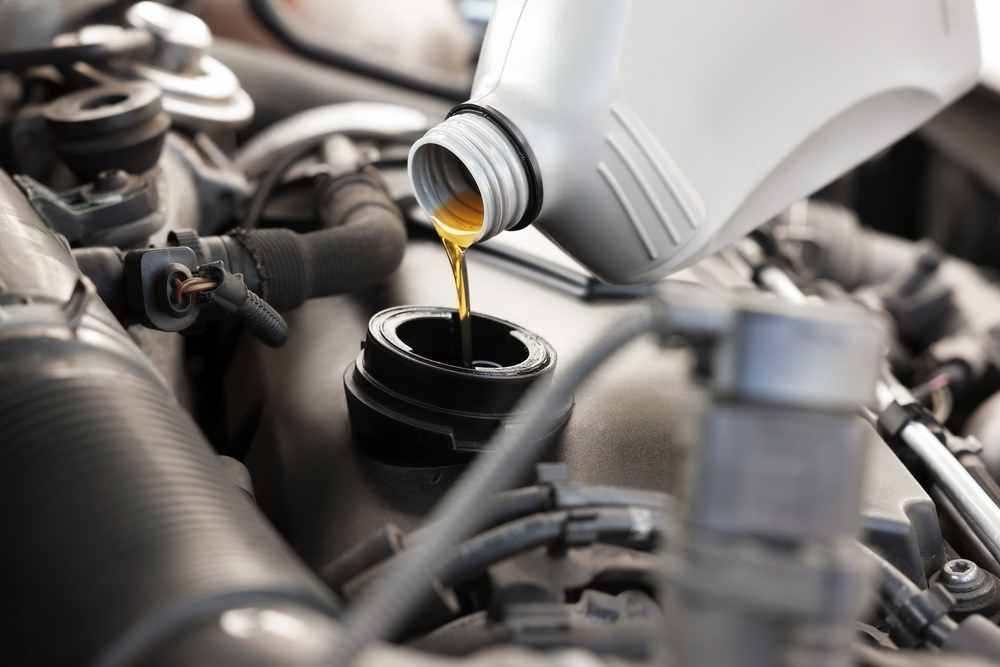
A regular car oil change is one of the most reliable ways to keep your engine running well and avoid problems that can develop over time. Your engine depends on clean oil to reduce friction and support smooth movement inside the system. As you drive, the oil collects heat and tiny particles, and eventually it can no longer protect the engine the way it should.
When this happens, you may notice small changes in how your vehicle performs. At Phil's Service, we help drivers understand how proper oil maintenance supports the long-term health of the engine. Knowing when and why to replace your oil helps you stay ahead of issues and keep your vehicle in good condition.
Why Engine Oil Matters
Engine oil supports nearly every movement inside your engine and plays a major role in how smoothly your vehicle performs during daily driving. Inside the engine, metal parts move quickly and create a great deal of friction. The oil forms a protective layer that allows these parts to glide instead of scrape against one another.
Over time, the oil becomes thicker as it collects dirt, dust, and deposits created during combustion. When the oil starts to break down, it loses its ability to move freely and cover surfaces evenly. You may begin to notice louder operation, slower acceleration, or a sense that the car does not respond the way it once did.
How Often You Should Change Your Oil
The ideal time for your next oil change can vary depending on several factors, including your driving habits, vehicle age, engine design, and the type of oil your car requires. Many drivers rely on the guidelines listed in the owner manual, but real driving conditions often have a greater impact than the suggested interval.
Stop and go traffic, frequent short trips where the engine does not fully warm up, towing heavy loads, or driving in very hot or very cold weather can all cause oil to break down more quickly. When oil begins to degrade, the engine may sound louder or feel slightly sluggish when you accelerate.
Checking your dipstick regularly can help you monitor changes in the oil’s color and texture. If the oil appears dark, thick, or gritty, it may be time to schedule service. Paying attention to how your vehicle behaves during normal driving helps you determine when the oil is ready to be replaced, even if you have not reached the suggested mileage interval.
Signs Your Oil Needs to Be Changed
Your vehicle often gives early signals when the oil is no longer providing the protection the engine needs. One of the clearest signs is oil that looks dark, thick, or gritty when you check it on the dipstick. Clean oil is usually light in color and smooth in texture. When the oil turns darker, it means it has collected debris and may not flow through the engine as easily.
Another sign is the dashboard oil light, which can warn you of low oil pressure or a low oil level. If this light appears, the oil may not be moving through the engine the way it should. You may also hear more noise from the engine, especially during acceleration or when climbing a hill. The vehicle may feel rougher when starting or may not respond as quickly when you press the gas pedal.
The Difference Between Conventional and Synthetic Oil
When you arrive for an oil service, you may have the option to choose between conventional and synthetic oil. Both types support your engine, but they differ in how they are made and how they perform under various driving conditions. Conventional oil comes from refined natural sources and works well for many vehicles, especially those with lower mileage or moderate driving demands.
It provides steady protection and is often used in vehicles that follow a traditional maintenance schedule. Synthetic oil is created through a more controlled process, giving it a cleaner and more uniform structure. This allows it to resist heat better, flow more consistently in cold weather, and last longer between services.
What Happens If You Delay an Oil Change
Postponing an oil change may seem harmless at first, but it can gradually affect how your engine performs. As oil ages, it becomes thicker and picks up contaminants from normal engine operation. Once the oil loses its smooth flow, it cannot coat internal surfaces the way it should. This can increase friction, causing the engine to work harder to complete even simple tasks.
Higher friction produces more heat, which places even more strain on the engine. Over time, old oil can leave residue that builds up in small internal passages, limiting the flow of fresh oil. This can cause slow acceleration, louder operation, and rougher starts.
If the oil becomes too thick or dirty, the engine may struggle to circulate it at all, which can lead to serious wear. Delaying oil changes also reduces the life of important components and can lead to repairs that are far more costly than routine service.
Why Professional Oil Service Matters
Professional oil service offers more than simply replacing old oil with fresh oil. When technicians perform an oil change, they also inspect the oil filter, which helps keep debris out of the engine. A clogged or worn filter can reduce oil flow even if the oil itself is new. During a service appointment, technicians check fluid levels, look for leaks, and inspect surrounding components that may show early signs of wear.
These observations help catch small problems before they become noticeable during daily driving. Professionals also use the correct type and amount of oil recommended for your vehicle, which supports the engine’s design and performance needs. Another advantage is that trained technicians can spot patterns that may indicate larger issues, such as unusual oil color, early leaks, or signs of overheating.
Our oil change and maintenance services at Phil's Service help protect your engine and support steady performance on the road. With our full range of automotive services, we make it easier for you to care for your vehicle and enjoy reliable driving every day. You can count on our team for auto repair for all vehicle makes & models, giving you a dependable place to bring your car whenever you need service.