What To Expect During An Engine Diagnostic
If your car is showing warning lights, unusual noises, or a drop in performance, an engine diagnostic is often the first step to finding the root cause. At Phil's Service, we specialize in thorough engine diagnostics that help identify issues early and accurately. Understanding the process can help you feel confident when you bring your vehicle in and allow you to make informed decisions about repairs. From modern testing equipment to trained technicians, your engine will receive thorough attention to maintain reliability and safety.
Initial Vehicle Assessment
The first step in an engine diagnostic is a detailed assessment of your vehicle, which helps create a clear starting point for identifying potential issues. Your technician will carefully inspect your car for visible signs of wear, leaks, or other damage and discuss any symptoms you have noticed, such as unusual noises, vibrations, or warning lights.
By reviewing your vehicle’s recent history, maintenance records, and driving patterns, the technician can focus the diagnostic process more efficiently, reducing unnecessary testing and saving time. Clear communication during this step allows you to share observations, ask questions, and gain a better understanding of what to expect, ensuring that all your concerns are properly addressed before moving forward with further diagnostics.
Connecting Diagnostic Equipment
Modern vehicles rely heavily on computerized systems, which play a central role in monitoring engine performance, fuel efficiency, and safety features. During engine diagnostics, your car will be connected to specialized diagnostic tools that read error codes stored in the engine control module and other electronic systems. These codes provide technicians with detailed information about potential malfunctions, helping them pinpoint the exact source of a problem.
This advanced technology allows for a precise evaluation of sensors, emissions systems, ignition components, and other important engine parts without the need for unnecessary disassembly. By combining electronic data with expert knowledge, technicians can quickly identify issues, recommend targeted repairs, and prevent further damage, ensuring your vehicle operates safely and efficiently.
Analyzing Error Codes
Once error codes are retrieved, the technician carefully analyzes and interprets the information to determine potential causes of the issue. Not all codes indicate a single problem, as multiple codes can sometimes point to related or secondary issues, making experience and expertise important in identifying the primary concern.
By evaluating patterns, cross-referencing with known vehicle behaviors, and combining data with physical inspections, the technician can pinpoint the true source of the problem. This step supports a more accurate diagnosis, helps prevent unnecessary repairs, and allows for a targeted approach that saves time, reduces costs, and maintains the overall health and reliability of your vehicle.
Visual and Physical Inspections
In addition to electronic diagnostics, a thorough engine inspection is performed to carefully evaluate the mechanical condition of your vehicle. This process may include checking belts for wear, hoses for leaks or cracks, fluid levels for proper maintenance, and other visible engine components that could indicate potential issues. By combining these visual inspections with the data collected from diagnostic tools, technicians obtain a complete and accurate picture of your engine’s health.
This approach allows both mechanical and electronic problems to be identified early, preventing minor issues from becoming major repairs. It also helps optimize performance, maintain fuel efficiency, and gives you confidence that your vehicle is in safe, reliable condition. Regular inspections like this are key to extending your engine’s lifespan and avoiding unexpected breakdowns.
Discussing Findings With You
After the assessment is complete, your technician will take the time to explain the results in clear, understandable terms, ensuring you fully understand the condition of your vehicle. You will learn which repairs or maintenance are needed, along with recommended options for addressing the issues efficiently and cost-effectively. At Phil's Service, transparency and open communication are central to our approach.
We take pride in answering all your questions, discussing potential outcomes, and guiding you through each step of the repair process. This commitment helps you make informed decisions, reduces surprises, and helps make sure that every service is completed correctly the first time, giving you confidence in your vehicle’s performance and reliability.
Planning Repairs and Maintenance
Based on the findings, a plan is created for repairs or preventive maintenance. This can include simple fixes, fluid changes, or more involved engine repairs. Your technician will also advise on steps to prevent similar issues in the future, helping you maintain your vehicle’s performance and reliability. An engine diagnostic is a valuable way to identify issues before they turn into costly repairs.
With services such as engine repair, transmission maintenance, and comprehensive fleet programs, your vehicle can remain dependable and safe. Phil's Service delivers all of this through a certified team that offers transparency, professional care, and expert guidance, helping your car maintain peak performance and efficiency for many years.
CAR CARE TIPS BLOG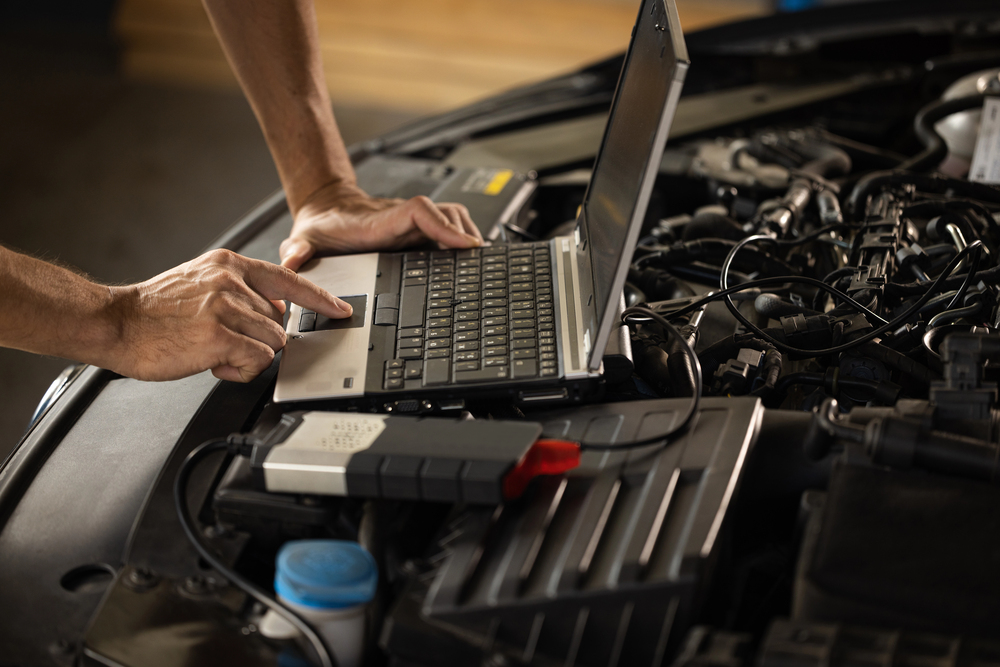
If your car is showing warning lights, unusual noises, or a drop in performance, an engine diagnostic is often the first step to finding the root cause. At Phil's Service, we specialize in thorough engine diagnostics that help identify issues early and accurately. Understanding the process can help you feel confident when you bring your vehicle in and allow you to make informed decisions about repairs. From modern testing equipment to trained technicians, your engine will receive thorough attention to maintain reliability and safety.
Initial Vehicle Assessment
The first step in an engine diagnostic is a detailed assessment of your vehicle, which helps create a clear starting point for identifying potential issues. Your technician will carefully inspect your car for visible signs of wear, leaks, or other damage and discuss any symptoms you have noticed, such as unusual noises, vibrations, or warning lights.
By reviewing your vehicle’s recent history, maintenance records, and driving patterns, the technician can focus the diagnostic process more efficiently, reducing unnecessary testing and saving time. Clear communication during this step allows you to share observations, ask questions, and gain a better understanding of what to expect, ensuring that all your concerns are properly addressed before moving forward with further diagnostics.
Connecting Diagnostic Equipment
Modern vehicles rely heavily on computerized systems, which play a central role in monitoring engine performance, fuel efficiency, and safety features. During engine diagnostics, your car will be connected to specialized diagnostic tools that read error codes stored in the engine control module and other electronic systems. These codes provide technicians with detailed information about potential malfunctions, helping them pinpoint the exact source of a problem.
This advanced technology allows for a precise evaluation of sensors, emissions systems, ignition components, and other important engine parts without the need for unnecessary disassembly. By combining electronic data with expert knowledge, technicians can quickly identify issues, recommend targeted repairs, and prevent further damage, ensuring your vehicle operates safely and efficiently.
Analyzing Error Codes
Once error codes are retrieved, the technician carefully analyzes and interprets the information to determine potential causes of the issue. Not all codes indicate a single problem, as multiple codes can sometimes point to related or secondary issues, making experience and expertise important in identifying the primary concern.
By evaluating patterns, cross-referencing with known vehicle behaviors, and combining data with physical inspections, the technician can pinpoint the true source of the problem. This step supports a more accurate diagnosis, helps prevent unnecessary repairs, and allows for a targeted approach that saves time, reduces costs, and maintains the overall health and reliability of your vehicle.
Visual and Physical Inspections
In addition to electronic diagnostics, a thorough engine inspection is performed to carefully evaluate the mechanical condition of your vehicle. This process may include checking belts for wear, hoses for leaks or cracks, fluid levels for proper maintenance, and other visible engine components that could indicate potential issues. By combining these visual inspections with the data collected from diagnostic tools, technicians obtain a complete and accurate picture of your engine’s health.
This approach allows both mechanical and electronic problems to be identified early, preventing minor issues from becoming major repairs. It also helps optimize performance, maintain fuel efficiency, and gives you confidence that your vehicle is in safe, reliable condition. Regular inspections like this are key to extending your engine’s lifespan and avoiding unexpected breakdowns.
Discussing Findings With You
After the assessment is complete, your technician will take the time to explain the results in clear, understandable terms, ensuring you fully understand the condition of your vehicle. You will learn which repairs or maintenance are needed, along with recommended options for addressing the issues efficiently and cost-effectively. At Phil's Service, transparency and open communication are central to our approach.
We take pride in answering all your questions, discussing potential outcomes, and guiding you through each step of the repair process. This commitment helps you make informed decisions, reduces surprises, and helps make sure that every service is completed correctly the first time, giving you confidence in your vehicle’s performance and reliability.
Planning Repairs and Maintenance
Based on the findings, a plan is created for repairs or preventive maintenance. This can include simple fixes, fluid changes, or more involved engine repairs. Your technician will also advise on steps to prevent similar issues in the future, helping you maintain your vehicle’s performance and reliability. An engine diagnostic is a valuable way to identify issues before they turn into costly repairs.
With services such as engine repair, transmission maintenance, and comprehensive fleet programs, your vehicle can remain dependable and safe. Phil's Service delivers all of this through a certified team that offers transparency, professional care, and expert guidance, helping your car maintain peak performance and efficiency for many years.