Tips For Replacing Your Catalytic Converter
If you are considering whether to replace your vehicle’s catalytic converter, understanding the process and key considerations can save you time and money. At Phil's Service, we guide you through what to watch for and how to maintain your car’s performance after replacement. Catalytic converters play a vital role in controlling emissions, and addressing issues early helps prevent further engine and exhaust problems.
Recognizing Signs of a Failing Catalytic Converter
Your vehicle may show several warning signs when the catalytic converter starts to fail. A decrease in engine performance, unusual rattling noises, and a strong sulfur-like smell are common indicators. You might also notice poor acceleration, reduced fuel efficiency, or difficulty maintaining speed, which can affect your daily driving. Additionally, a check engine light may appear, signaling potential emissions issues that need attention.
Ignoring these symptoms can lead to more serious problems, including damage to the exhaust system, oxygen sensors, or even the engine itself. Observing these warning signs early allows you to take action before damage spreads to other components, saving you time and costly repairs in the long run.
Understanding the Replacement Process
Replacing a catalytic converter requires careful removal of the old part and proper installation of the new one. The process involves disconnecting the exhaust system and sometimes removing heat shields, oxygen sensors, or other components that could interfere with installation. Technicians also inspect surrounding parts, such as exhaust pipes and mounts, to make sure they are in good condition and free of corrosion or damage.
Proper alignment and secure connections are important to prevent exhaust leaks, rattling, or reduced engine efficiency. Using professional service helps make sure all steps are completed correctly, maintaining your vehicle’s performance, emissions compliance, and overall safety while avoiding potential costly mistakes that can occur with DIY attempts.
Choosing the Right Replacement Part
Not all catalytic converters are the same, so selecting the right one for your make and model is important. Different vehicles have varying engine designs, fuel systems, and exhaust layouts, which can affect how a converter fits and functions. You may need a direct-fit replacement specifically designed for your vehicle or a universal part that requires additional adjustments.
Phil's Service stocks a wide range of parts and can guide you in choosing the best option to match your car’s requirements. Using a certified, high-quality converter not only supports long-lasting durability but also helps maintain emissions compliance, protects your engine’s performance, and prevents potential issues with sensors or exhaust leaks. Choosing the correct converter contributes to smoother driving and reduces the risk of costly repairs in the future.
Maintaining Your Vehicle After Replacement
After replacing your catalytic converter, it is important to maintain your vehicle properly to protect your investment. Regular engine diagnostics help identify any potential issues early, while timely oil changes keep the engine running smoothly and prevent harmful buildup that could damage the converter. Avoiding fuel contamination and using the correct fuel type also play a key role in prolonging its life.
Staying on top of preventive maintenance, such as inspecting exhaust components, checking oxygen sensors, and monitoring engine performance, reduces the risk of recurring problems. These steps support overall drivability, improve fuel efficiency, and help your vehicle continue to operate safely and reliably for years to come.
Avoiding Future Problems
You can reduce the likelihood of needing another replacement by regularly monitoring engine performance and addressing minor issues as soon as they appear. Small problems, such as engine misfires, exhaust leaks, or faulty oxygen sensors, can put extra strain on your catalytic converter and accelerate wear. Even seemingly minor issues can lead to decreased fuel efficiency or increased emissions if left unchecked.
Staying attentive to these warning signs protects the exhaust system and supports overall engine health and drivability. Consistent care and timely repairs extend the life of your converter and prevent costly replacements down the road.
Professional Assistance Matters
While some vehicle owners attempt DIY replacement, working with trained technicians ensures safety and reliability. Phil's Service, Killeen's only ASE Blue Seal Certified shop, has the experience, tools, and infrastructure to handle all replacement needs for a wide range of vehicles, including hybrids and fleet models. Keeping your vehicle in top condition is simple when you have access to a complete range of engine, transmission, brake, and electrical services.
Phil's Service, known for its ASE Blue Seal certification and trusted local reputation, combines expert technicians with nationwide warranty support and transparent service practices. With our team handling your maintenance and repairs, you gain long-term reliability, peace of mind, and a smoother, safer driving experience every time you get behind the wheel.
CAR CARE TIPS BLOG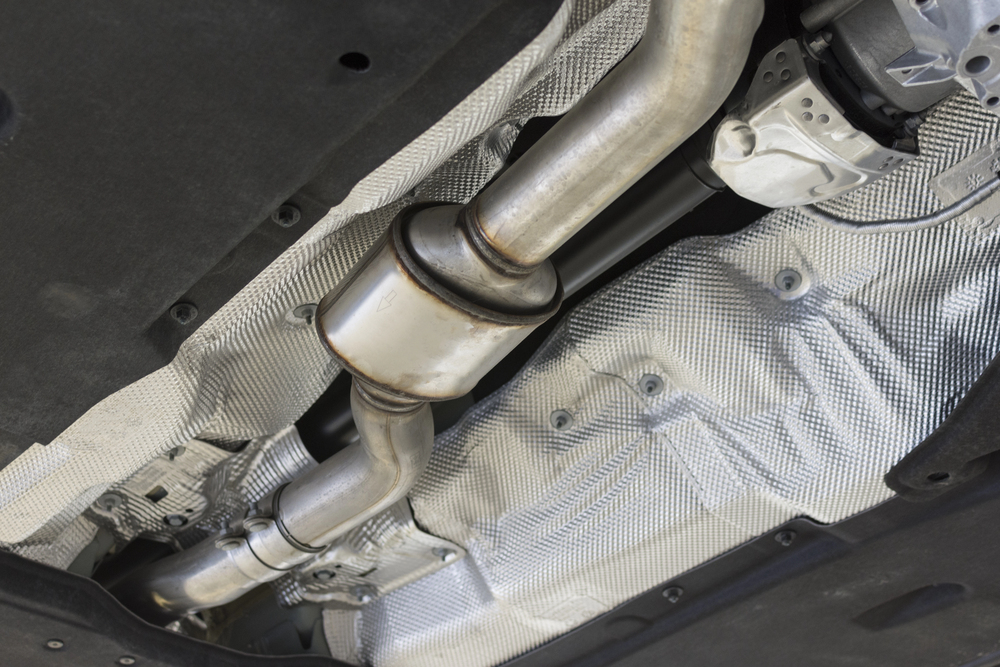
If you are considering whether to replace your vehicle’s catalytic converter, understanding the process and key considerations can save you time and money. At Phil's Service, we guide you through what to watch for and how to maintain your car’s performance after replacement. Catalytic converters play a vital role in controlling emissions, and addressing issues early helps prevent further engine and exhaust problems.
Recognizing Signs of a Failing Catalytic Converter
Your vehicle may show several warning signs when the catalytic converter starts to fail. A decrease in engine performance, unusual rattling noises, and a strong sulfur-like smell are common indicators. You might also notice poor acceleration, reduced fuel efficiency, or difficulty maintaining speed, which can affect your daily driving. Additionally, a check engine light may appear, signaling potential emissions issues that need attention.
Ignoring these symptoms can lead to more serious problems, including damage to the exhaust system, oxygen sensors, or even the engine itself. Observing these warning signs early allows you to take action before damage spreads to other components, saving you time and costly repairs in the long run.
Understanding the Replacement Process
Replacing a catalytic converter requires careful removal of the old part and proper installation of the new one. The process involves disconnecting the exhaust system and sometimes removing heat shields, oxygen sensors, or other components that could interfere with installation. Technicians also inspect surrounding parts, such as exhaust pipes and mounts, to make sure they are in good condition and free of corrosion or damage.
Proper alignment and secure connections are important to prevent exhaust leaks, rattling, or reduced engine efficiency. Using professional service helps make sure all steps are completed correctly, maintaining your vehicle’s performance, emissions compliance, and overall safety while avoiding potential costly mistakes that can occur with DIY attempts.
Choosing the Right Replacement Part
Not all catalytic converters are the same, so selecting the right one for your make and model is important. Different vehicles have varying engine designs, fuel systems, and exhaust layouts, which can affect how a converter fits and functions. You may need a direct-fit replacement specifically designed for your vehicle or a universal part that requires additional adjustments.
Phil's Service stocks a wide range of parts and can guide you in choosing the best option to match your car’s requirements. Using a certified, high-quality converter not only supports long-lasting durability but also helps maintain emissions compliance, protects your engine’s performance, and prevents potential issues with sensors or exhaust leaks. Choosing the correct converter contributes to smoother driving and reduces the risk of costly repairs in the future.
Maintaining Your Vehicle After Replacement
After replacing your catalytic converter, it is important to maintain your vehicle properly to protect your investment. Regular engine diagnostics help identify any potential issues early, while timely oil changes keep the engine running smoothly and prevent harmful buildup that could damage the converter. Avoiding fuel contamination and using the correct fuel type also play a key role in prolonging its life.
Staying on top of preventive maintenance, such as inspecting exhaust components, checking oxygen sensors, and monitoring engine performance, reduces the risk of recurring problems. These steps support overall drivability, improve fuel efficiency, and help your vehicle continue to operate safely and reliably for years to come.
Avoiding Future Problems
You can reduce the likelihood of needing another replacement by regularly monitoring engine performance and addressing minor issues as soon as they appear. Small problems, such as engine misfires, exhaust leaks, or faulty oxygen sensors, can put extra strain on your catalytic converter and accelerate wear. Even seemingly minor issues can lead to decreased fuel efficiency or increased emissions if left unchecked.
Staying attentive to these warning signs protects the exhaust system and supports overall engine health and drivability. Consistent care and timely repairs extend the life of your converter and prevent costly replacements down the road.
Professional Assistance Matters
While some vehicle owners attempt DIY replacement, working with trained technicians ensures safety and reliability. Phil's Service, Killeen's only ASE Blue Seal Certified shop, has the experience, tools, and infrastructure to handle all replacement needs for a wide range of vehicles, including hybrids and fleet models. Keeping your vehicle in top condition is simple when you have access to a complete range of engine, transmission, brake, and electrical services.
Phil's Service, known for its ASE Blue Seal certification and trusted local reputation, combines expert technicians with nationwide warranty support and transparent service practices. With our team handling your maintenance and repairs, you gain long-term reliability, peace of mind, and a smoother, safer driving experience every time you get behind the wheel.