Tips For A Smooth Automotive Oil Change
Keeping your vehicle running efficiently starts with routine maintenance, and an automotive oil change is one of the most important tasks for your engine’s longevity. At Phil's Service, we understand that many drivers want the process to be quick, easy, and reliable. With the right preparation and understanding of the steps involved, you can be confident your car receives the care it needs without unnecessary stress. Here are practical tips to make your next oil change smooth and effective.
Know Your Vehicle’s Requirements
Every car has specific oil requirements based on its make, model, and engine type, and using the wrong type can lead to decreased performance, reduced fuel efficiency, or even serious engine damage over time. Checking your owner’s manual will offer the correct oil type, viscosity, and recommended service intervals, giving you a clear guideline for maintenance and helping you stay on top of your vehicle’s care schedule.
Using the proper oil helps your engine run more efficiently, minimizes wear and tear on internal components, and can prevent costly repairs while extending the overall lifespan of your vehicle. Knowing your vehicle’s needs also makes conversations with your technician more productive, helping you make informed decisions about routine maintenance.
Choose a Reputable Service Center
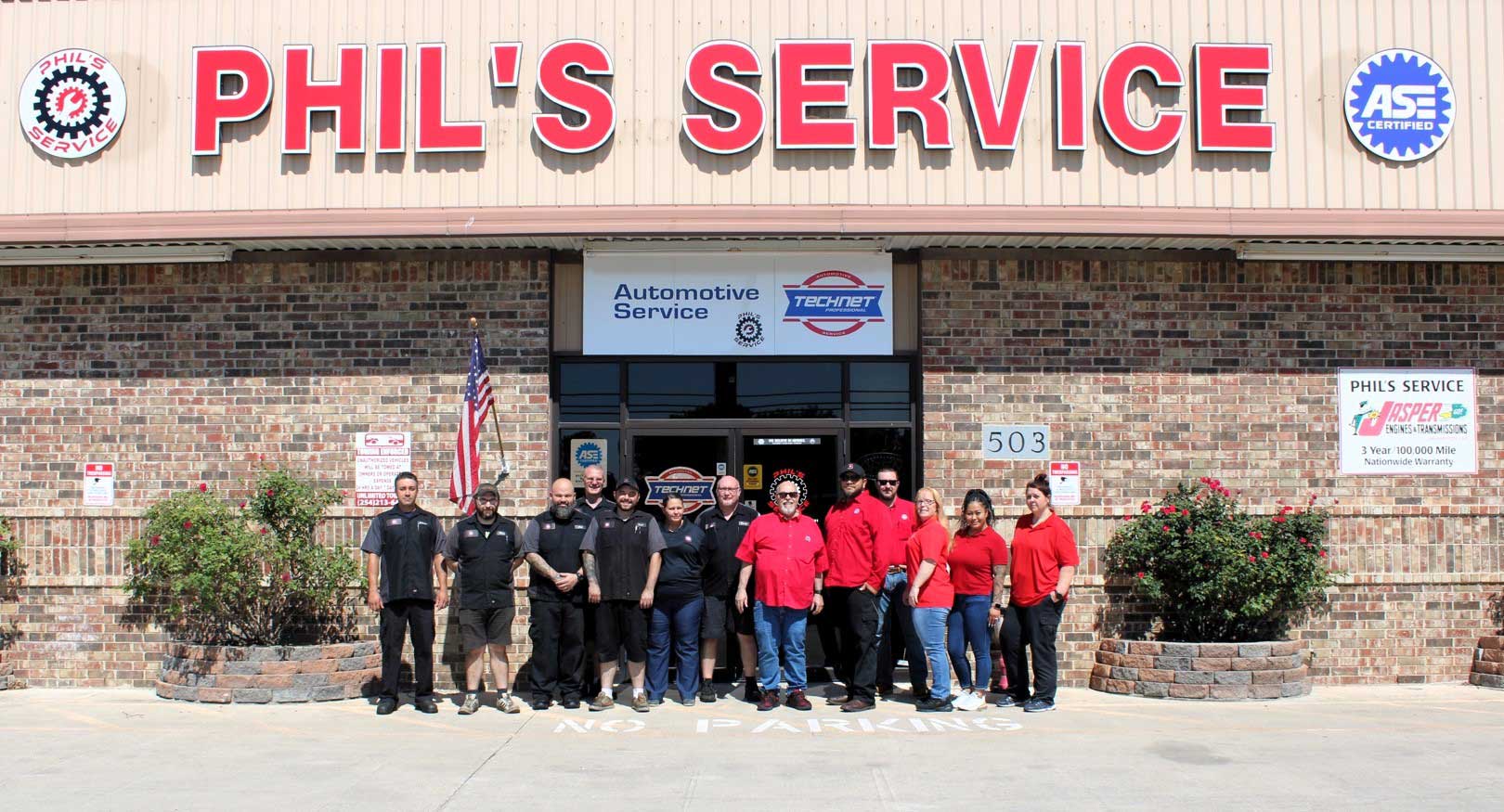
Selecting a trustworthy service center can make a significant difference in your oil change experience, helping your vehicle receive the care it truly needs, avoiding unnecessary delays or mistakes, and preventing potential issues before they become major problems. Phil's Service is Killeen’s only ASE Blue Seal Certified shop, offering a strong promise of quality work done right the first time.
Choosing a certified shop means experienced technicians handle your vehicle with the proper tools, knowledge, and careful attention to every detail. This approach supports a smooth oil change while contributing to long-term reliability and consistent engine performance.
Keep Track of Maintenance Records
Maintaining records of your previous oil changes helps you know exactly when the next service is due and keeps your vehicle running reliably while avoiding unnecessary repairs or engine issues. You can keep a small notebook in your car, use digital apps, or even take photos of receipts to record dates, mileage, oil type, and any notes from your technician regarding any recommendations or observations.
This practice helps prevent missed service intervals, documents consistent engine care, supports warranty claims, and adds value if you later sell or trade in your vehicle. Additionally, keeping detailed records offers a clear maintenance history that can boost your car’s resale value and demonstrate responsible ownership to prospective buyers.
Inspect and Replace Oil Filters
The oil filter plays a key role in keeping contaminants out of your engine, protecting vital components from damage and maintaining smooth operation. A clean, functional filter helps maintain proper oil flow, engine efficiency, and overall performance. During your automotive oil change, have your technician carefully inspect the filter and replace it if necessary, ensuring your engine receives optimal lubrication.
This small step helps reduce engine wear, supports consistent performance, and can extend engine life over time, saving you from costly repairs in the future. Regularly maintaining your oil filter is a simple investment that pays off with long-term engine protection and peace of mind.
Check Fluid Levels and Other Components
An oil change is a good time to check other fluids and important engine components. Ask your technician to thoroughly examine coolant, brake fluid, and transmission fluid, as well as belts, hoses, and other key engine parts. Catching and addressing minor issues early can prevent costly repairs, improve overall safety, maintain optimal engine performance, enhance fuel efficiency, and help keep your vehicle running smoothly and reliably for years to come.
Follow Up With Proper Driving Habits
After an oil change, how you drive can affect the longevity of your engine. Avoid aggressive acceleration, long idling, and frequent short trips immediately following service. Gentle driving allows the new oil to circulate fully, providing maximum protection for your engine components. Regular oil changes are one of the simplest ways to keep your vehicle running smoothly and prevent costly repairs.
Access to services such as engine repair, transmission service, and fleet maintenance programs helps keep your vehicle dependable. Phil's Service delivers all of this with a certified team you can trust, offering transparency, nationwide warranty coverage, and expert care that helps extend the lifespan and performance of your vehicle.
CAR CARE TIPS BLOG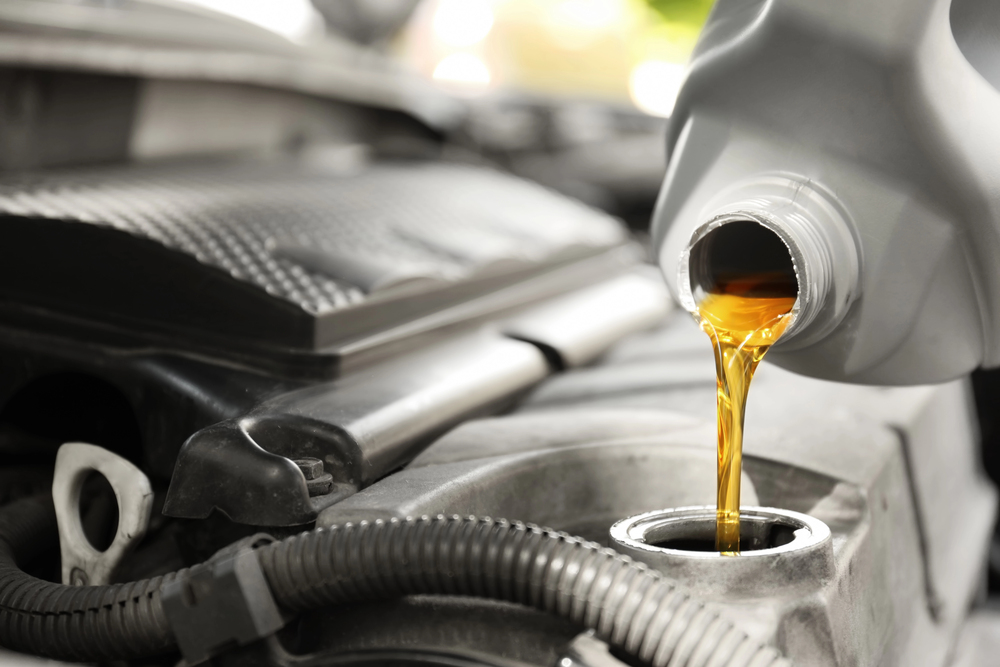
Keeping your vehicle running efficiently starts with routine maintenance, and an automotive oil change is one of the most important tasks for your engine’s longevity. At Phil's Service, we understand that many drivers want the process to be quick, easy, and reliable. With the right preparation and understanding of the steps involved, you can be confident your car receives the care it needs without unnecessary stress. Here are practical tips to make your next oil change smooth and effective.
Know Your Vehicle’s Requirements
Every car has specific oil requirements based on its make, model, and engine type, and using the wrong type can lead to decreased performance, reduced fuel efficiency, or even serious engine damage over time. Checking your owner’s manual will offer the correct oil type, viscosity, and recommended service intervals, giving you a clear guideline for maintenance and helping you stay on top of your vehicle’s care schedule.
Using the proper oil helps your engine run more efficiently, minimizes wear and tear on internal components, and can prevent costly repairs while extending the overall lifespan of your vehicle. Knowing your vehicle’s needs also makes conversations with your technician more productive, helping you make informed decisions about routine maintenance.
Choose a Reputable Service Center
Selecting a trustworthy service center can make a significant difference in your oil change experience, helping your vehicle receive the care it truly needs, avoiding unnecessary delays or mistakes, and preventing potential issues before they become major problems. Phil's Service is Killeen’s only ASE Blue Seal Certified shop, offering a strong promise of quality work done right the first time.
Choosing a certified shop means experienced technicians handle your vehicle with the proper tools, knowledge, and careful attention to every detail. This approach supports a smooth oil change while contributing to long-term reliability and consistent engine performance.
Keep Track of Maintenance Records
Maintaining records of your previous oil changes helps you know exactly when the next service is due and keeps your vehicle running reliably while avoiding unnecessary repairs or engine issues. You can keep a small notebook in your car, use digital apps, or even take photos of receipts to record dates, mileage, oil type, and any notes from your technician regarding any recommendations or observations.
This practice helps prevent missed service intervals, documents consistent engine care, supports warranty claims, and adds value if you later sell or trade in your vehicle. Additionally, keeping detailed records offers a clear maintenance history that can boost your car’s resale value and demonstrate responsible ownership to prospective buyers.
Inspect and Replace Oil Filters
The oil filter plays a key role in keeping contaminants out of your engine, protecting vital components from damage and maintaining smooth operation. A clean, functional filter helps maintain proper oil flow, engine efficiency, and overall performance. During your automotive oil change, have your technician carefully inspect the filter and replace it if necessary, ensuring your engine receives optimal lubrication.
This small step helps reduce engine wear, supports consistent performance, and can extend engine life over time, saving you from costly repairs in the future. Regularly maintaining your oil filter is a simple investment that pays off with long-term engine protection and peace of mind.
Check Fluid Levels and Other Components
An oil change is a good time to check other fluids and important engine components. Ask your technician to thoroughly examine coolant, brake fluid, and transmission fluid, as well as belts, hoses, and other key engine parts. Catching and addressing minor issues early can prevent costly repairs, improve overall safety, maintain optimal engine performance, enhance fuel efficiency, and help keep your vehicle running smoothly and reliably for years to come.
Follow Up With Proper Driving Habits
After an oil change, how you drive can affect the longevity of your engine. Avoid aggressive acceleration, long idling, and frequent short trips immediately following service. Gentle driving allows the new oil to circulate fully, providing maximum protection for your engine components. Regular oil changes are one of the simplest ways to keep your vehicle running smoothly and prevent costly repairs.
Access to services such as engine repair, transmission service, and fleet maintenance programs helps keep your vehicle dependable. Phil's Service delivers all of this with a certified team you can trust, offering transparency, nationwide warranty coverage, and expert care that helps extend the lifespan and performance of your vehicle.